
When families begin to explore care for an ageing parent or loved ones, the emotional weight is often matched by financial uncertainty. How much will care cost? Will we need residential care? How long can Mum stay at home? Arranging care can feel overwhelming, as families navigate the process of organizing and scheduling the right support while ensuring quality and professional standards.
It’s no surprise that one of the most Googled terms by families at this stage is _**“cost of elderly care UK.”**_
At Abney & Baker, we believe the conversation around care should start sooner -and it should start differently. Choosing care is a big decision for families, impacting both well-being and peace of mind. Because the reality is, the earlier you invest in preventative care, the more likely you are to **reduce the total lifetime cost of care** and avoid the spiralling expenses that come with delayed support.
The Traditional Care Model: Care Costs and Reactive Approaches
In many cases, families only seek help when there’s a crisis – after a fall, hospital admission, or major health decline. By this point, the support needed is often intensive and urgent, requiring more hours, specialist input, or even a move to residential care or a nursing home.
The financial and emotional cost of this kind of reactive care can be significant:
Emergency hospital visits
Increased GP and physio appointments
Loss of independence, leading to more intensive support
Transition to a nursing home for those needing care with complex medical needs
Fast-tracking to residential or nursing care
All of this adds up – not just in pounds, but in stress, guilt, and disrupted family life. For those needing care with advanced or complex needs, specialist care may be required, often provided in nursing homes by well-trained staff.
A Better Path: Preventative Care and Financial Support Done Properly
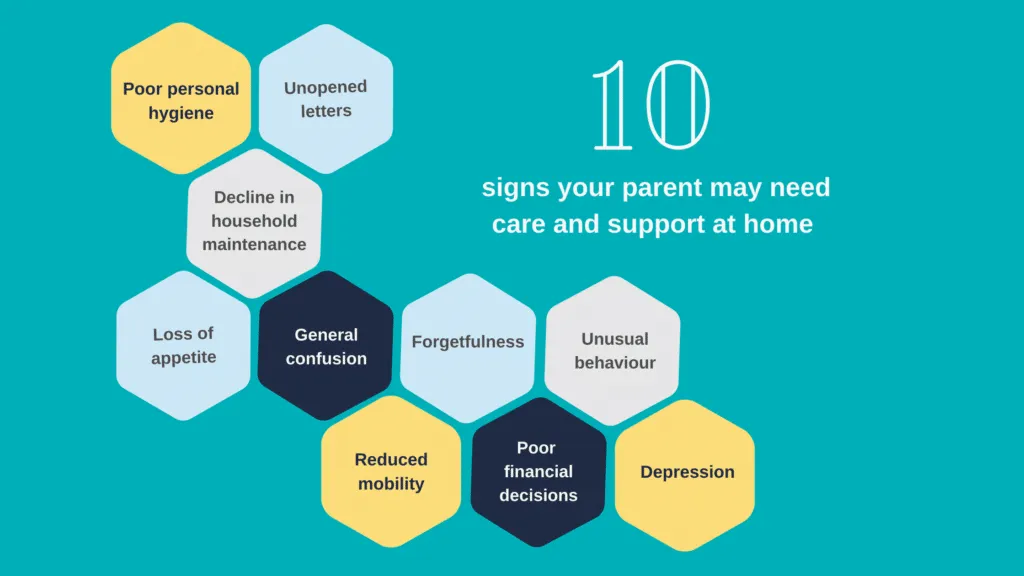
Preventative care is about supporting someone _before_ they hit a tipping point. At Abney & Baker, our team is trained to spot early warning signs – changes in gait, reduced motivation, subtle shifts in mobility – and take action before these turn into bigger issues. This preventative care is a service designed to support people proactively, helping to address needs before they escalate.
What does this look like in practice?
Gentle, regular movement to maintain strength and balance
Encouraging routines that support independence
Emotional support to reduce isolation (which is linked to cognitive and physical decline)
Early intervention with hydration, nutrition, and medication prompts
Over time, these small but consistent actions can **delay or even prevent the need for more expensive care**.
Care Funding Options: What Families Need to Know
Understanding how to pay for care can feel overwhelming, but knowing your options is the first step to making confident decisions. Local councils may offer financial support with care costs, but this depends on a means test that looks at your loved one’s income, savings, and property. If your family member is not eligible for local authority funding, you might consider paying for care privately or exploring equity release to unlock funds from their home.
There are also national benefits that can help with care costs. Attendance Allowance is available for older people who need help with personal care, and NHS Continuing Healthcare may cover the full cost of care for those with significant ongoing health needs. Each funding option has its own criteria and process, so it’s important to get a thorough assessment and create a care plan tailored to your loved one’s needs and budget.
Expert advice can make a big difference. By exploring all available funding options – including benefits, local council support, and private funding – you can ensure your loved one receives the right support without unnecessary financial strain.
The Cost Comparison
Let’s break it down:
Care home costs and care home fees can vary depending on location, care needs, and funding sources. It is important to understand these differences when planning for long-term care.
| Care Scenario | Monthly Cost | Annual Cost | Long-Term Impact | | --- | --- | --- | --- | | **Care Scenario** Residential Care Home | **Monthly Cost** £3,500–£5,000 | **Annual Cost** £42,000–£60,000 | **Long-Term Impact** Often unavoidable after decline sets in | | **Care Scenario** Live-in Care | **Monthly Cost** £3,000–£4,500 | **Annual Cost** £36,000–£54,000 | **Long-Term Impact** Live in care can be a cost-effective alternative | | **Care Scenario** Emergency Care (post-fall or hospital stay) | **Monthly Cost** £3,000–£6,000 in short bursts | **Annual Cost** £10,000–£15,000 in avoidable escalation | **Long-Term Impact** Triggered by lack of early support | | **Care Scenario** Preventative Home Care (3–5 hours/week) | **Monthly Cost** ~£600–£900 | **Annual Cost** ~£7,200–£11,000 | **Long-Term Impact** Delays decline, supports independence |
For example, care home fees per week in the North West are typically lower than those in London, reflecting regional differences in care home costs. People living in care homes may need to pay care home fees unless they qualify for funded support, which depends on their personal circumstances and whether their assets are below the upper capital limit. Self funders are individuals who pay the full cost of their care, while others may be funded by the local authority or NHS depending on their health care and social care needs. A fully transparent pricing structure is essential when comparing care options, so you know exactly what you will pay. Eligibility for NHS Continuing Healthcare is based on having a primary health need, and funding options vary depending on the outcome of the assessment.
By **investing early** in a small amount of tailored care each week, families often **save tens of thousands of pounds** in the long run – not to mention months or years of worry.
Home Care as an Alternative: Flexible Solutions for Modern Families
For many families, home care offers a flexible and cost-effective alternative to residential care. With home care, your loved one can receive one-to-one support in the comfort of their own home, maintaining their independence and familiar routines. Home care services are highly adaptable, ranging from personal care and medical care to companionship and help with daily tasks.
You can arrange home care visits at times that suit your family, and a dedicated carer can provide ongoing support tailored to your loved one’s unique care needs. This approach not only supports autonomy and dignity but can also be more cost-effective, especially for those who need a few hours of support each week or have complex needs that don’t require a move to a care home.
Choosing home care means your loved one can continue to enjoy life in their own home, surrounded by the things and people they love, while receiving high-quality care services designed just for them.
Strategic Financial Planning for Long-Term Care
Planning ahead is key to managing care costs and reducing financial stress in the long run. Start by considering your loved one’s care needs, budget, and assets. A financial assessment will help determine if your family is eligible for local authority support, which can significantly reduce the average weekly cost of care.
If you need to pay for care privately, options like equity release or using savings may be worth exploring. It’s important to understand the full range of funding options and to factor in that care costs can increase over time. Creating a detailed care plan with the help of a care fees specialist can ensure you’re making the most of your resources and not missing out on any support you may be eligible for.
By taking a strategic approach – reviewing your budget, assets, and all available funding – you can make informed decisions that protect your loved one’s wellbeing and your family’s finances.
Emotional ROI: The Hidden Cost Saver
It’s not just about money. One of the biggest benefits of preventative care is the reduction in **family stress**.
When things are left too late, adult children are often forced to become emergency decision-makers – juggling work, children, and sudden care responsibilities. This emotional toll is rarely talked about, but it can lead to burnout, fractured relationships, and rushed decisions that don’t reflect what a loved one would have wanted.
Preventative care buys families something incredibly valuable: **time and clarity.** It allows decisions to be made calmly, routines to be maintained, and relationships to stay rooted in connection – not crisis.
Legal Questions About Care Funding: Avoiding Pitfalls
The legal side of care funding can be confusing, but understanding your rights and responsibilities is essential to avoid costly mistakes. Local authorities are responsible for assessing care needs and determining eligibility for funding, but the process can be complex. NHS Continuing Healthcare and Attendance Allowance are additional sources of support, each with their own rules and assessment criteria.
It’s wise to seek professional legal advice to navigate the assessment process, understand means-tested benefits, and ensure your loved one receives all the support they’re entitled to. Being proactive about the legal aspects of care funding helps you avoid hidden fees and ensures your family is fully informed when making big decisions about care.
By staying informed and seeking expert guidance, you can protect your loved one’s interests and secure the care funding they need.
Real Families, Real Results
At Abney & Baker, we’ve seen this play out time and again. One daughter told us:
> “Getting Mum support before things got really bad was the best decision we made. The care team helped her stay active, and she still lives independently three years later. I truly believe we’ve avoided residential care altogether.” > > Daughter of a Client Tweet
Early support can make a significant difference in a loved one’s care, improving their overall quality of life and helping families plan more effectively for the future.
It’s not an isolated story. With the right support, ageing doesn’t have to mean crisis after crisis. It can mean **continuity, dignity, and control –** for both the person receiving care and the family around them.
Finding Support with Your Care Journey
You don’t have to navigate the care journey alone. Start by reaching out to your local council—they can provide information about residential care, home care, and funding options, as well as help with assessments. Care providers, including home care agencies and care homes, can explain their services, costs, and what support is available for your loved one.
Expert advice from care fees specialists can help you understand the full range of funding options and make sense of the costs involved. Remember, every family’s situation is unique, and there’s no one-size-fits-all solution. By seeking support and asking questions, you can make informed choices and ensure your loved one receives the best possible care.
Taking it step by step, and reaching out for help when you need it, can make the process less daunting and ensure your loved one’s care journey is as smooth and supported as possible.
Final Thought: Plan Ahead, Stress Less
If you’re currently researching the **cost of elderly care in the UK**, don’t just look at the price tag today. Ask yourself:
What might this look like in 3, 5, or 10 years?
Could early, light-touch care save us from heavier costs down the line?
Is the goal to keep our loved one at home for as long as possible?
If the answer is yes, preventative care isn’t just an option – it’s a strategy.
Abney & Baker are here to help you plan with confidence, not panic. Let’s start earlier, support smarter, and build a care journey that works – financially and emotionally – for everyone involved.
We’re always here if you want to chat about your care options
Speak to a real person about how care at home can help you or your loved one.