
We often talk about care in terms of urgency. A fall, a hospital admission, or a sudden deterioration that prompts a panicked call. But at Abney and Baker, we believe in something quieter, more powerful, and ultimately more effective: early intervention in home care.
Early intervention in home care is especially important during the early years, as it sets the foundation for long-term wellbeing and development.
This approach is rooted in the belief that quality care doesn’t start at crisis point – it starts long before. And it begins with one essential ingredient: the right carer, noticing the right things at the right time. The benefits of early intervention include improved health outcomes, greater independence, and prevention of more serious issues down the line.
As we expand our local teams in **Bath, Frome, Trowbridge**, and surrounding areas, we want to share why this philosophy matters so much – not just to the people we support, but to the carers we’re proud to work alongside. Early intervention in home care provides a wide range of supports, including resources and services that help individuals and families thrive.
What do we mean by “early intervention services” in home care?
Early intervention in home care means identifying small changes before they become serious problems.
It could be:
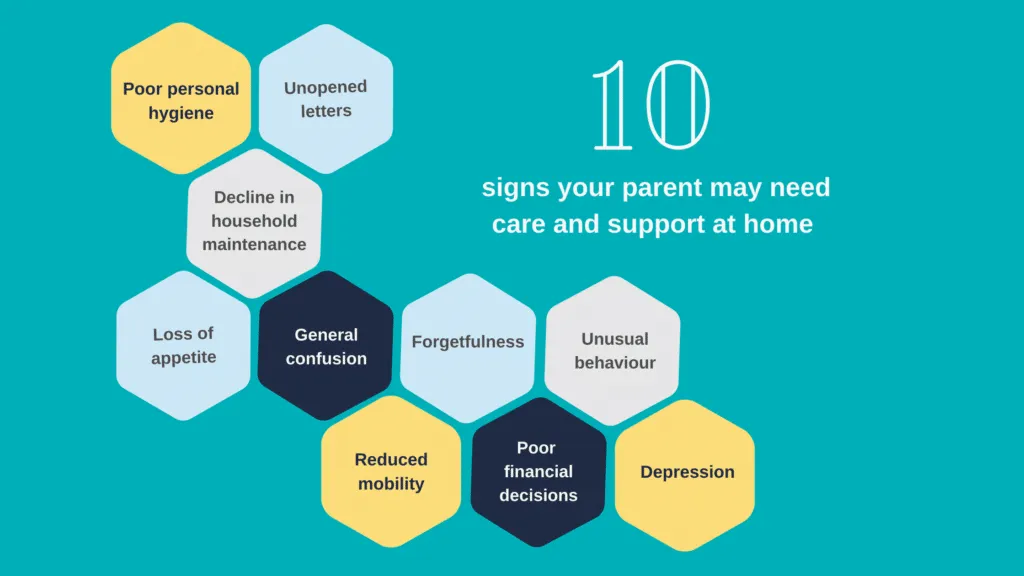
Noticing that someone has become more forgetful than usual.
Spotting a bruise that may signal a recent fall.
Observing that meals are being left untouched.
Realising someone is no longer answering the phone or leaving the house.
These seemingly small details – when picked up by a skilled, attentive carer – can lead to timely conversations, health checks, or support plan tweaks that **prevent escalation**. Early intervention also helps track and support progress, ensuring ongoing improvement in the person’s wellbeing.
Along with preventing mental health concerns, early intervention can help avoid physical health problems that may arise from unaddressed risks.
Instead of waiting for a crisis, early intervention **protects independence**, **reduces hospital visits**, and **keeps people happier and healthier at home for longer**. Carers provide services tailored to individual needs as part of early intervention in home care.
Assessing the need for support – how we spot the signs early
Spotting the need for support early can make all the difference. At its heart, early intervention in homecare is about recognising the small changes that signal a bigger need – whether that’s in a person’s physical health, emotional wellbeing, or ability to manage daily life.
From noticing reduced mobility to changes in mood or appetite, early intervention helps carers, families, and professionals work together to provide the right support before a situation escalates. This proactive approach can prevent hospital admissions, protect independence, and improve overall quality of life.
Health visitors, carers, and local care teams are often the first to identify when someone might need extra help. By collaborating closely with families, GPs, and community services, they can tailor care that addresses the individual’s unique needs – from mobility support and nutrition to companionship and confidence-building.
Accessing early intervention in homecare often begins with a simple conversation. Families can raise concerns with a carer, nurse, or local authority team to start the process. The goal is always the same: to give people the help they need, when they need it, so they can stay safely and happily in their own homes for as long as possible.
Early action not only supports those receiving care but also strengthens families and communities. By working together, we can create a system where every person – young or old – has the opportunity to live well, with dignity and reassurance, right from the start.
Why carers are the front line of early intervention
You can’t always spot these signs on paper. That’s why no amount of care planning can replace the importance of **human connection**.
At Abney and Baker, our carers are the first to notice when something changes. Their good understanding of clients’ routines and risk factors enables them to identify early signs of concern. They build trust over time. They know the difference between “a bad day” and “something’s not right.” They’re the ones who often **catch things that families or clinicians can miss**– especially when those changes are subtle or hidden behind a smile.
And because they work consistently with the same clients, they bring a level of **continuity and personal insight** that’s simply not possible with a revolving door of care workers.
The carers we’re looking for
We’re currently welcoming new carers into our local area teams. But we’re not just filling shifts—we’re building something more.
We’re looking for people who are:
Observant and thoughtful
Calm under pressure
Good communicators (with clients, families, and colleagues)
Naturally empathetic
Open to learning and development
A strong focus on early intervention and proactive care is essential, as it helps us support clients’ wellbeing and achieve the best possible outcomes.
You might already be working in care and looking for a team that **values your input**. Or you might be returning to work after time away, ready to make a difference again. Or perhaps you’re someone who’s never worked in care, but you’ve supported loved ones and know you have the right instincts.
Wherever you’re starting from, we offer full training, flexible hours, and the support you need to **build a meaningful career** in care.
Why this matters for you, too
If you’re thinking about joining our team, you might be wondering – **what does early intervention mean for me as a carer?**
Here’s the answer: it means **you’re respected as a professional**. Your insight matters. Your relationships with clients matter. You’re not just a list of tasks -you’re part of someone’s ongoing wellbeing journey. As a carer, you play a crucial role in providing support to clients through early intervention, helping to address their needs before challenges escalate.
At Abney and Baker, we invest in our carers because we believe they’re the difference between basic care and **brilliant care**. And we know that when we support you well, you can support our clients even better.
We’re always here if you want to chat about your care options
Speak to a real person about how care at home can help you or your loved one.