
Why most care starts too late and how we can stay ahead.
At Abney & Baker, we've supported hundreds of families through the challenges of later life care. And one truth comes up time and again: many people wait until a crisis before reaching out for help.
A fall. A hospital stay. A sudden change in health.
It's often these moments that trigger the first phone call to a care company. But by the time care starts, confidence has already been shaken, and independence, often lost.
It doesn't have to be this way.
We believe the best care is proactive. That's why our approach goes beyond helping people
get through the day
; we help them
build strength for tomorrow
.
Our System Still Waits for Crisis
Most health and care systems are designed to respond after something has gone wrong. It's nobody's fault, it's just the way the system evolved. But for older adults, that often means missing months or even years of support that could have helped them stay well for longer.
A recent NHS report shows that over
255,000 people aged 65+ are admitted to hospital every year due to a fall
, costing the system more than
£2.3 billion annually
. Yet many of these incidents could have been prevented with simple, early interventions.
At Abney & Baker, we're changing that narrative, one client at a time.
What Happens When We Wait Too Long
When families delay getting support, it doesn't just impact safety. It affects everything:
Older adults lose their confidence
, which can lead to withdrawal from social activities and increased isolation.
Mobility and strength decline more quickly
, making recovery harder after an incident.
Families face added stress
, scrambling to make decisions during a crisis.
We know these moments well. We've been the ones taking that first call after a fall. And we've also seen what's possible when clients start sooner – when care isn't just a safety net, but a strength-building foundation.
The Small Signs That Matter
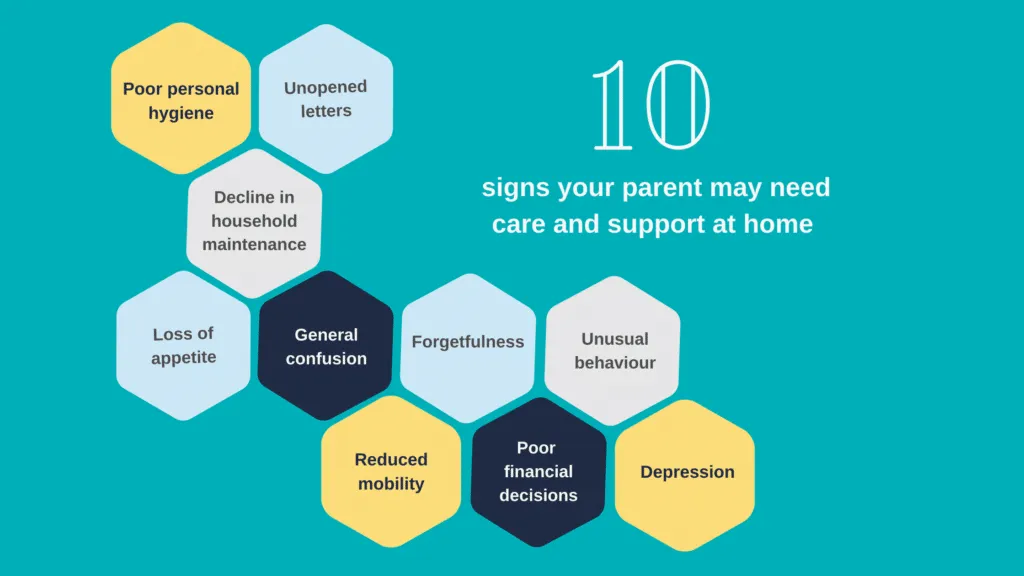
Most declines in strength or balance don't happen overnight. They show up quietly and often get brushed aside. Some signs we help families spot include:
A loved one choosing the lift over the stairs.
Holding onto furniture while walking through the house.
A lack of appetite or a noticeable weight change.
A once-active person skipping their usual hobbies.
Subtle forgetfulness or hesitation with familiar routines.
These are not just "signs of getting older." They're opportunities to act.
How We Support Proactive Care
We believe care should be about living well, not just coping. That's why our team focuses on building daily strength, confidence, and independence – no matter a person's age or starting point.
Here's how we help our clients stay ahead of decline and maintain their independence for as long as possible:
1. Flexicare: Care on Your Terms
Our
is designed for people who don't yet need daily help but want to stay ahead of physical decline. Whether it's just one or two visits a week to support confidence, balance, or recovery after illness,
FlexiCare
gives you the flexibility to start small—before a problem becomes a crisis.
We often describe
FlexiCare
as a "prevention-first" approach: light-touch support that grows only when needed. It's ideal for those who are still independent but want to stay that way.
2. Personalised Wellbeing Plans
Every individual we care for is different. We tailor routines that include gentle movement, home safety checks, confidence-building activities, and nutrition awareness – all integrated into everyday life.
3. Carers Trained in Proactive Support
Our care team is trained not only to provide day-to-day assistance but also to notice early signs of change. Whether it's a slower walking pace or a change in mood, we take a proactive approach – raising concerns early and helping families plan with confidence.
4. Mobility Coaching Through EverFit
In partnership with
EverFit
, we offer structured support for building strength, balance, and flexibility – key factors in fall prevention. This proactive mobility coaching is particularly effective when introduced early, even in short 20-minute sessions.
Prevention Is Possible – And It Starts Today
If you're beginning to notice changes in a parent or loved one, now is the time to act. You don't need to wait for a fall or health scare to seek support.
In fact, our
FlexiCare
service was created
exactly
for this purpose—to support families before things become urgent.
Many of our clients tell us, "I wish we'd started earlier." That's why we make it easy to begin—whether it's a no-pressure phone call, a friendly home visit, or just helping you explore what's possible.
Take the First Step
If you're concerned about your loved one's mobility or confidence at home, we invite you to speak to our team to learn how
Flexicare
and
EverFit
could give your loved one the right support, without locking them into services they may not need yet.
You don't have to wait for a crisis to care.
With the right support in place today, your loved one can enjoy greater independence and peace of mind tomorrow.
We’re always here if you want to chat about your care options
Speak to a real person about how care at home can help you or your loved one.